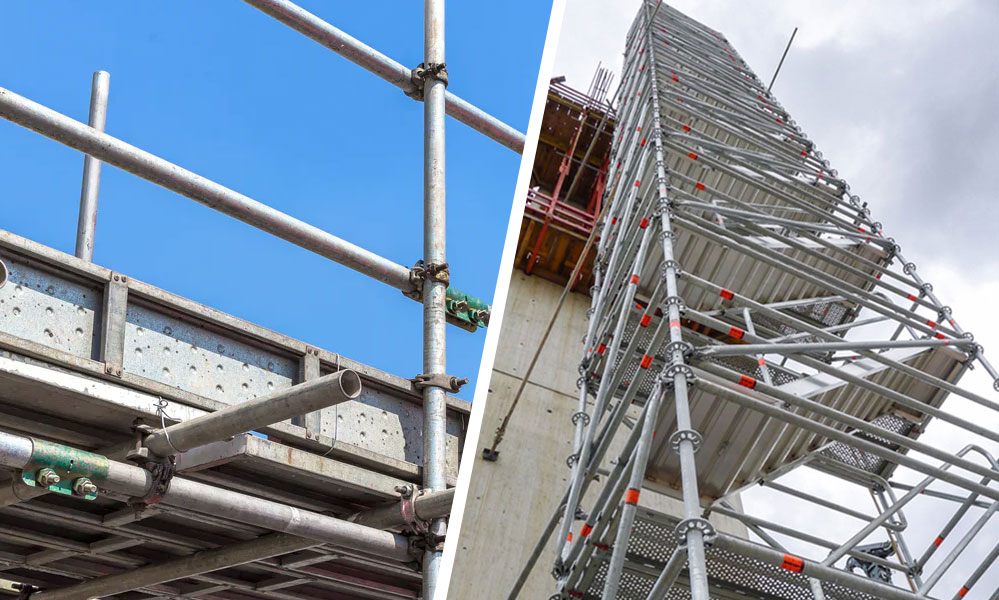
If your scaffolding sits on a public pavement or road, you need permission from the local council. People often miss this step because the scaffold itself goes up fast. The paperwork does not.
When you need a permit
You need a permit when any part of your scaffold takes up public space. That includes pavements, footpaths, kerbs, and parts of the road. It also includes things like a pedestrian walkway under the scaffold or a covered access route.
If the scaffold stays fully inside your boundary, you usually avoid the permit. Think private driveway, private yard, or a fenced site that does not touch the pavement.
If you are not sure, treat it as public until you confirm it. That saves you a last minute scramble.
What the council wants from you
Councils want clear basics. You give the address, the dates, and the size of the scaffold footprint. You also give contractor details and proof that the setup will stay safe for the public. On busy streets, councils often expect lighting and clear signage. On tighter roads, you can also need a traffic plan.
This is not about box ticking. It is about keeping pedestrians safe and keeping the council confident that the scaffold will not create a hazard.
Timescales and the real reason projects slip
The main reason these jobs slip is simple. You line up roofers, joiners, painters, or a full site crew, then you wait on the permit. Everyone loses time.
You avoid this by planning the permit at the same time as the start date. If the scaffold needs public space, get the application moving early. You then book the install date with confidence.